< img height="1" width="1" style="display:none" src="https://www.facebook.com/tr?id=1664433431551072&ev=PageView&noscript=1" />
List Page

Blog

How to Choose a Reliable Stainless Steel Kitchen Sink Supplier: A B2B Buyer’s Guide

How to Choose a Reliable Stainless Steel Kitchen Sink Supplier: A B2B Buyer’s Guide

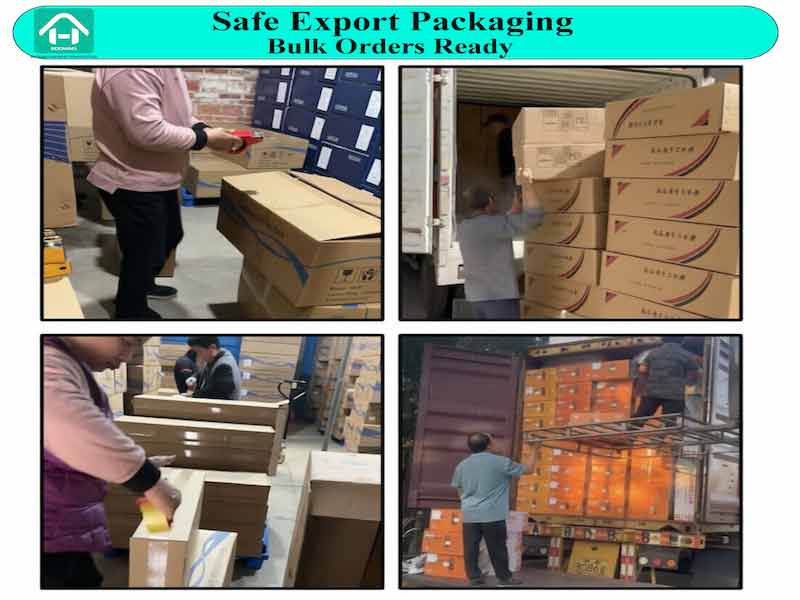
How to Choose a Reliable Stainless Steel Kitchen Sink Supplier: A B2B Buyer’s GuideChoosing the right stainless steel kitchen sink supplier is an important decision for importers, wholesalers, distributors, kitchen and bath brands, and project buyers.A competitive price may look attractive at the beginning, but for B2B buyers, the real cost of sourcing depends on much more than the unit price. Material consistency, manufacturing capability, quality control, customization, packaging, lead time, communication, and after-sales support can all affect your long-term business.So, how can you identify a reliable stainless steel kitchen sink supplier before placing a large order?This guide explains the key factors B2B buyers should evaluate when choosing a professional stainless steel kitchen sink manufacturer.For B2B buyers, a capable factory should normally have experience in areas such as:Stainless steel sheet cutting and formingSink stamping or pressingWelding and grindingSurface finishingDrain hole processingQuality inspectionPackaging and carton productionOEM and ODM productionExport packaging and logistics coordinationA supplier that can show its factory, production lines, workers, inspection procedures, and finished products gives buyers a much better basis for evaluating manufacturing capability.2. Verify the Stainless Steel MaterialA professional supplier should be able to clearly provide the material specification and, when required, supporting documentation such as a material test certificate.For many kitchen sink applications, SUS304 / 304 stainless steel is widely used because of its combination of corrosion resistance, durability, formability, and suitability for kitchen environments.However, material grade is only one part of the quality equation.3. Do Not Compare Suppliers by Price AloneFor example, two stainless steel sinks may look almost identical in product photos but have different:Stainless steel thicknessMaterial gradesProduction processesSurface finishingWelding standardsAccessoriesPackagingInspection standardsTherefore, a lower quotation does not necessarily mean lower total purchasing cost.A professional supplier should provide a clear quotation based on defined specifications.When comparing quotations, make sure you are comparing the same:Material + Thickness + Size + Finish + Accessories + Packaging + Quantity + Trade TermsThis makes supplier comparison much more meaningful.4. Evaluate Quality Control ProceduresA reliable stainless steel kitchen sink supplier should have a clear quality control process rather than checking products only after production is completed.A professional quality control system may include inspections at several stages:Incoming Material InspectionThe supplier checks the stainless steel material before production to help ensure that the specified material is used.Production InspectionDuring forming, welding, grinding, and finishing, production personnel should monitor key dimensions and workmanship.Finished Product InspectionBefore packing, finished sinks should be inspected for issues such as:Surface scratchesDentsWelding defectsUneven edgesIncorrect dimensionsDrainage problemsSurface finish inconsistencyPackaging InspectionFor export orders, packaging is also important. A high-quality product can still arrive damaged if the packaging is not designed properly for international transportation.For B2B buyers, it is worth asking the supplier:"What are your quality inspection procedures before shipment?"The answer can reveal a great deal about the supplier's professionalism.5. Ask for Samples Before Placing a Large Order6. Check OEM and ODM CapabilitiesDifferent markets often have different preferences for kitchen sink dimensions, bowl configurations, finishes, accessories, and packaging.This is why OEM and ODM capability can be an important advantage for B2B buyers.7. Evaluate Production Capacity and Lead Time8. Check Export Experience9. Look for Stable Quality, Not Just a Good First Order10. Check Communication and Problem-Solving Ability11. Ask About Warranty and After-Sales Support12. A Professional Stainless Steel Sink Supplier Should Provide More Than a ProductFor B2B buyers, the best supplier is not necessarily the factory offering the lowest price.A reliable supplier should provide a complete sourcing solution that includes:Product + Manufacturing + Quality Control + Customization + Packaging + Export Support + After-Sales Service
2026-08-19
Read More
SUS201 vs SUS304 Stainless Steel Sink: How to Tell the Difference

SUS201 vs SUS304 Stainless Steel Sink: How to Tell the Difference

How to Identify SUS201 vs SUS304 Stainless Steel Sinks: A B2B Buyer’s GuideWhen sourcing stainless steel kitchen sinks, one of the most important decisions for importers, wholesalers, distributors, and kitchen & bath brands is choosing the right stainless steel grade.Two grades that buyers may encounter are SUS201 and SUS304 stainless steel.Although sinks made from these materials can look very similar, their chemical composition, corrosion resistance, durability, price, and suitability for different markets can be different.For B2B buyers, understanding the difference between SUS201 and SUS304 can help reduce sourcing risks and ensure that the products you receive match the specifications agreed with your supplier.This guide explains the key differences between SUS201 and SUS304 stainless steel sinks and provides practical ways to verify the material before placing a large order.SUS201 vs SUS304: What Is the Difference?The most important difference is the amount of nickel and chromium used in the material.SUS304 generally contains a higher level of nickel and is widely recognized for its good corrosion resistance, durability, and suitability for kitchen and food-related applications.SUS201 uses a different alloy composition, typically with lower nickel content and higher manganese content. It can provide good mechanical properties at a lower material cost, but its corrosion resistance is generally lower than SUS304 under more demanding conditions.For kitchen sinks, this difference can become important because the product is regularly exposed to:WaterHumiditySaltFood residuesCleaning chemicalsHousehold detergentsTherefore, B2B buyers should confirm the actual material grade instead of judging a sink only by its appearance.Why Does Stainless Steel Grade Matter for Kitchen Sinks?For a distributor or importer, material grade can directly affect product performance and customer satisfaction.A kitchen sink made from suitable stainless steel should be able to withstand regular exposure to water and common household use.If a lower-grade material is supplied when the buyer ordered SUS304, potential problems may include:Reduced corrosion resistanceSurface discolorationRust spots under certain conditionsShorter service life in demanding environmentsCustomer complaintsDamage to the buyer's brand reputationThis is why material verification should be part of the supplier evaluation and quality-control process.Be Careful When Comparing PricesPrice can provide a useful warning signal, but it cannot prove the material grade.Nickel is an important alloying element in SUS304, and raw material costs can therefore differ from lower-cost stainless steel grades.If one supplier offers a SUS304 sink at a significantly lower price than comparable products, B2B buyers should ask additional questions.For example:What is the actual stainless steel grade?What is the material thickness?Is the quoted price based on the same specifications?Does the price include accessories and packaging?A low price does not automatically mean that a product is SUS201. However, a significant price difference is a good reason to verify the specifications carefully.Do Not Judge Material Grade by ThicknessAnother common misunderstanding is:"A thicker stainless steel sink must be SUS304."This is incorrect.Thickness and stainless steel grade are two different specifications.For example:0.8 mm SUS2010.8 mm SUS3041.0 mm SUS2011.0 mm SUS304All are possible material configurations.
2026-08-19
Read More
SUS201 vs SUS304 Kitchen Sinks: Which Is Right for Your Market?

SUS201 vs SUS304 Kitchen Sinks: Which Is Right for Your Market?

SUS201 vs SUS304 Stainless Steel Sinks: Which Grade Is Right for Your Market?Which stainless steel grade is the right fit for your target market, climate, water conditions, product positioning, and selling price?SUS201 can offer a more competitive cost for price-sensitive markets and entry-level product lines, while SUS304 generally provides better corrosion resistance and is more suitable for buyers looking for longer-term performance and higher product positioning.For B2B importers, distributors, wholesalers, and kitchen & bath brands, the right decision depends on the entire business model.This guide explains when SUS201 may make commercial sense, when SUS304 is the safer choice, and how market conditions should influence your sourcing decision.SUS201 vs SUS304: The Basic DifferenceSUS201 and SUS304 are both austenitic stainless steel grades, but their alloy compositions differ.SUS201 generally uses less nickel and more manganese than SUS304. SUS304 typically offers better corrosion resistance and is widely used in kitchen, food-service, and household applications.For kitchen sinks, this difference matters because sinks are continuously exposed to water, humidity, food residues, detergents, and sometimes salt or other corrosive substances.However, this does not mean that SUS201 is automatically unsuitable for every market.The real question is whether the product's performance, price, and expected service environment match the buyer's target market.The First Rule: Match the Sink Grade to the Market PositionBefore deciding between SUS201 and SUS304, define your target product.Ask yourself:Are you selling entry-level or premium kitchen products?Are your customers mainly price-sensitive?Are you supplying supermarkets or construction-material wholesalers?Are you supplying kitchen studios or professional installers?Are you building a private-label brand?Are your sinks mainly for residential projects?Are you supplying hotels, restaurants, or commercial kitchens?Is your market coastal or inland?Is the local climate humid or relatively dry?These questions are often more useful than simply asking which grade has the higher specification.A simple rule for B2B buyersSUS201 = cost-focused product positioningSUS304 = performance-focused product positioningBut this is only a starting point. Climate, water exposure, customer expectations, and application should also be considered.SUS201 for Price-Sensitive Wholesale MarketsIf your customers primarily compare products based on price, SUS201 can be worth considering as part of a product portfolio.For example, a distributor may offer:Entry-Level RangeSUS201Standard dimensionsBasic brushed finishStandard accessoriesCompetitive packagingMid-Range / Premium RangeSUS304Better specificationsMore advanced designsHigher-end finishesMore premium packagingThis allows an importer to cover multiple price segments instead of relying on only one material grade.The key is to clearly specify the material to your customers.SUS201 should not be marketed as SUS304.When Is SUS304 the Better Choice?SUS304 is generally the stronger choice when the buyer places greater emphasis on corrosion resistance, durability, brand reputation, and long-term product performance.It is particularly attractive for:Mid-range and premium kitchen brandsPrivate-label productsHigher-end residential projectsProfessional kitchen applicationsHotels and hospitality projectsKitchen studiosLong-term distributor relationshipsMarkets with demanding environmental conditionsSUS304 typically costs more than SUS201, but the additional material cost can be justified when product performance and brand positioning are important.Climate Matters: Hot and Humid Markets Need More CareClimate is an important consideration when choosing stainless steel.High humidity does not automatically mean that SUS304 is mandatory, butprolonged exposure to moisture can increase the importance of corrosion resistance and proper surface maintenance.Tropical markets can combine:High humidityFrequent rainfallHigh temperaturesCoastal salt exposurePoor ventilationCondensationIn these conditions, B2B buyers should be more cautious about using lower-cost stainless steel grades.For tropical and humid markets, SUS304 can often provide a stronger value proposition when the product is positioned for long-term household use.Research and industry sourcing guidance also identifies tropical, coastal, and high-humidity environments as more demanding for stainless steel corrosion performance.Coastal Markets: Salt Exposure Changes the EquationCoastal markets deserve special attention.Sea air contains chlorides, and chloride exposure can increase the risk of localized corrosion in stainless steel.This is an important consideration for markets such as:Caribbean islandsCoastal West AfricaSoutheast AsiaPacific islandsCoastal Latin AmericaMiddle Eastern coastal citiesFor these markets, SUS304 can generally be a more sensible choice than SUS201 when the product is expected to have long-term exposure to humid, salty environments.However, even SUS304 has limitations in high-chloride environments.304 is not the same as marine-grade 316.If a project involves direct saltwater exposure, outdoor coastal applications, or particularly aggressive chloride conditions, the buyer should discuss whether a higher corrosion-resistant grade is required.For a normal indoor kitchen sink, however, SUS304 is often a more practical balance between performance and cost than moving directly to 316.What About Water Quality?Water quality is another factor that B2B buyers should consider.Different markets can have different water conditions, including:Hard waterHigh mineral contentChloride exposureHigh salinity in certain areasHeavy use of cleaning chemicalsHard water can leave mineral deposits on stainless steel surfaces.This does not necessarily mean that the stainless steel itself is failing.For example, calcium or mineral deposits can create visible marks even when the sink is made from good-quality stainless steel.Therefore, importers should distinguish between:Surface deposits caused by water qualityandActual corrosion caused by the environment or material condition.In markets where water quality is a known concern, buyers should consider not only the stainless steel grade but also:Surface finishDrainage designEase of cleaningInstallation qualityCustomer maintenance habitsMarket Positioning Is Often More Important Than CountryOne of the biggest mistakes an importer can make is saying:"Country X is a developing market, so we should sell SUS201."A country can have several completely different customer segments.For example, the same market may contain:Budget Building-Material DistributorsTheir priorities may be:Low FOB price → High volume → Fast turnoverSUS201 may be worth evaluating for suitable indoor applications.Kitchen & Bath BrandsTheir priorities may be:Product quality → Brand reputation → Customer satisfaction → Long-term performanceSUS304 is generally a stronger fit.Premium Kitchen RetailersTheir priorities may be:Design → Finish → Durability → Brand positioningSUS304 is usually the more appropriate starting point.Hotel and Commercial ProjectsTheir priorities may be:Durability → Consistency → Maintenance → Project specificationsSUS304 is often the safer specification, subject to the actual project environment.This is why market segmentation is more useful than simply choosing a country.Which Markets May Be More Suitable for SUS201?SUS201 can be considered by B2B importers when several of the following conditions apply:1. Strong Price CompetitionIf the local market has many low-cost sink suppliers and buyers frequently compare quotations, reducing material cost may be commercially important.2. Entry-Level Product PositioningIf the product is specifically designed for budget-conscious consumers, SUS201 can be considered as one option.3. Indoor Residential ApplicationsFor standard indoor kitchens away from direct coastal exposure, environmental demands may be lower than outdoor or marine applications.4. High-Volume DistributionFor wholesalers moving large quantities of standard sinks, a lower-cost product can help maintain competitive margins.5. Customers Prioritize Initial PriceIf customers are primarily focused on the purchase price rather than premium durability, a carefully specified SUS201 product may have a place in the portfolio.However, the material grade should always be disclosed accurately.Which Markets and Customers Are Better Suited to SUS304?SUS304 is generally the better choice when several of these conditions apply:Premium or Mid-Range MarketCustomers are willing to pay more for better material performance.Private-Label BrandsBrand owners often have more to lose from corrosion complaints, warranty claims, and inconsistent product performance.Coastal or Humid EnvironmentsWhere moisture and chloride exposure are higher, stronger corrosion resistance becomes more valuable.Professional or Commercial ApplicationsCommercial kitchens, hospitality projects, and high-use applications may place greater emphasis on durability and maintenance.Long-Term Distributor RelationshipsIf the importer plans to build a long-term brand or distribution network, consistent product performance can be more important than achieving the lowest possible FOB price.A Practical Market Segmentation Strategy for ImportersInstead of choosing only one stainless steel grade, some importers can build a two-level product portfolio.Product Line A: Entry-LevelSUS201 Stainless Steel Kitchen SinksPositioning:Competitive priceStandard designsHigh-volume wholesaleBudget residential applicationsPrice-sensitive customersThe objective is to compete on cost while maintaining acceptable product quality for the intended application.Product Line B: Mid-Range and PremiumSUS304 Stainless Steel Kitchen SinksPositioning:Better corrosion resistanceLonger-term performancePrivate-label brandsPremium retailersKitchen studiosProject customersHigher-value residential applicationsThis allows the importer to serve different customer groups without forcing every customer into the same price category.The Most Practical Strategy for B2B ImportersIf you are unsure which grade to import, don't immediately choose one material for your entire business.Instead, start with three questions:Question 1: What Is Your Target Retail Price?If your target retail price is extremely competitive, material cost becomes an important part of your product strategy.Question 2: Who Is Your Customer?Are you selling to:Building-material wholesalers?Supermarkets?Kitchen retailers?Kitchen studios?Contractors?Hotel projects?Private-label brands?Different customers require different product positioning.Question 3: What Is the Local Environment?Consider:Coastal or inland locationHumidityTemperatureSalt exposureWater qualityCleaning practicesIndoor or outdoor installationThe answers will help determine whether the cost advantage of SUS201 is worth considering or whether SUS304 provides better long-term value.A professional stainless steel kitchen sink manufacturer should be able to discuss these factors with you and recommend different product specifications for different market segments.For B2B importers, the goal is not to buy the cheapest sink or automatically choose the highest-grade material.The goal is to import the right stainless steel sink for the customers you actually serve.

2026-08-19
Read More
How to Calculate the True Cost of Importing Kitchen Sinks from China

How to Calculate the True Cost of Importing Kitchen Sinks from China

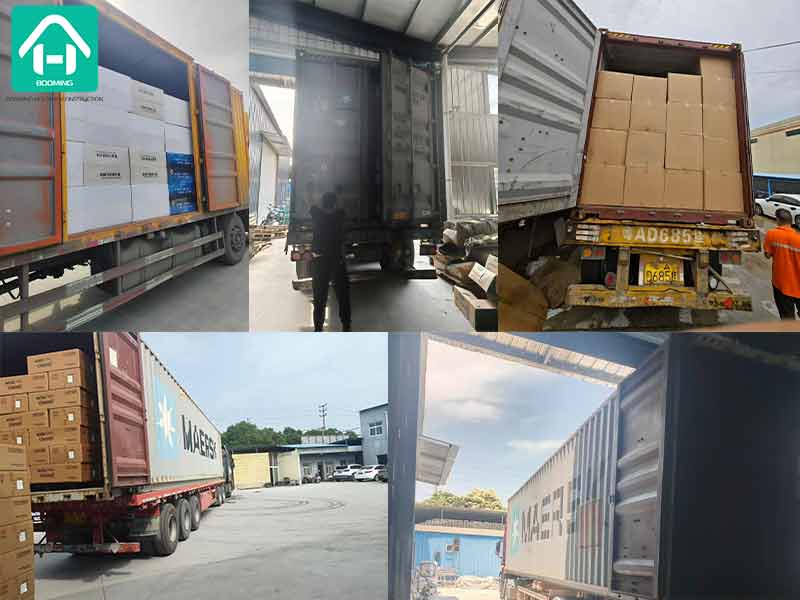
How to Calculate the True Cost of Importing Kitchen Sinks from ChinaFor importers, wholesalers, distributors, and kitchen & bathroom brands, the supplier's quoted price is only one part of the total cost of importing kitchen sinks from China.A supplier may offer a very competitive FOB price, but the final cost of getting the products into your warehouse can be significantly higher after freight, insurance, import duties, customs clearance, destination charges, local transportation, and other expenses are included.This is why professional B2B buyers should look beyond the FOB price and calculate the true landed cost before choosing a supplier.In this guide, we explain how to calculate the real cost of importing stainless steel kitchen sinks from China and which factors B2B buyers should consider when comparing suppliers.What Is the True Cost of Importing Kitchen Sinks?The true cost of importing a kitchen sink is not simply the supplier's product quotation.A more complete calculation is:Product Cost + Export Costs + International Freight + Insurance + Import Duties + Customs Clearance + Destination Charges + Local Transportation = Landed CostThe exact costs vary depending on the destination country, shipping method, product specifications, order volume, and trade terms.For B2B importers, calculating this total cost before placing an order can help you:Compare different suppliers more accuratelySet the correct wholesale priceEstimate your profit marginAvoid unexpected expensesChoose the right order quantityEvaluate whether a product is commercially viable1. Start With the Product CostThe first component is the supplier's product price.For stainless steel kitchen sinks, the price can vary significantly depending on:Stainless steel gradeMaterial thicknessSink dimensionsBowl configurationSurface finishCorner radiusProduction processAccessoriesPackagingOrder quantityOEM requirementsFor example, a SUS304 stainless steel sink will generally have a different material cost from a SUS201 sink.Similarly, a 1.0 mm stainless steel sink will normally have a different cost from a 0.6 mm sink.Therefore, when comparing suppliers, make sure you are comparing identical specifications.2. Understand FOB PriceFor many B2B buyers, Chinese suppliers quote products under FOB terms.FOB stands for Free On Board.Under FOB terms, the seller generally handles the export-side obligations required under the agreed Incoterms, while the buyer takes responsibility for the main international transportation and costs after the relevant delivery point.3. International Shipping Cost4. Packaging Can Affect Your Real CostPackaging is often overlooked when calculating the total import cost.For kitchen sinks, packaging may include:Individual poly bagsProtective foamCartonsPrinted cartonsMaster cartonsPalletsCorner protectionShipping marksGood packaging should protect the product while also making efficient use of container space.There is a balance between:Product Protection + Packaging Cost + Container UtilizationIf packaging is too weak, you may experience:ScratchesDentsSurface damageBroken accessoriesCustomer complaintsIf packaging is unnecessarily large, you may lose valuable container capacity.A professional supplier should consider both product protection and shipping efficiency.5. Import Duties and TaxesAfter the goods arrive at the destination country, import duties and taxes may apply.The exact rate depends on:Destination countryHS codeProduct materialProduct typeCustoms valuationApplicable trade agreementsLocal regulationsFor stainless steel kitchen sinks, buyers should confirm the appropriate HS classification and applicable import requirements with their customs broker or local authorities.Do not assume that the duty rate is the same in every country.Before placing an order, ask your customs broker:What are the applicable import duties and taxes for this product in our country?This information should be included in your landed-cost calculation.6. Customs Clearance CostsImporting products also involves customs clearance.Depending on the country and shipment, costs may include:Customs broker feesDocumentation feesPort handlingInspection feesTerminal chargesStorage chargesOther local customs-related expensesSome costs are fixed, while others depend on shipment size or value.For small orders, fixed clearance costs can represent a relatively large percentage of the total product cost.This is another reason why B2B buyers should consider the appropriate order quantity.7. Destination Port and Local ChargesMany importers focus heavily on the supplier's FOB price and international freight but forget destination charges.Depending on the shipment and destination, you may encounter costs such as:Terminal handling chargesPort service chargesDocumentation feesContainer handlingCustoms-related chargesStorageDemurrageDetentionDelivery chargesThese costs can vary considerably between ports and countries.A professional importer should therefore request a complete destination-side cost estimate from their freight forwarder before confirming the order.8. Local Transportation to Your WarehouseThe import process does not end when the container reaches the port.The goods still need to reach your warehouse or distribution center.Your total cost may therefore include:Port → WarehouseLocal transportation costs depend on:DistanceContainer sizeTrucking ratesWarehouse locationDelivery requirementsLocal regulationsFor importers located far from major ports, inland transportation can become a meaningful part of the landed cost.9. Calculate the Cost Per SinkOnce you have estimated all the costs, calculate the landed cost per unit.For example, suppose you import:1,000 stainless steel kitchen sinksProduct value:$20 × 1,000 = $20,000Additional costs:Cost ExampleProduct Cost$20,000International Freight$2,500Insurance$100Import Duties & Taxes$2,000Customs & Port Charges$800Local Transportation$600Total Landed Cost$26,000Therefore:$26,000 ÷ 1,000 sinks = $26 landed cost per sinkThe supplier's FOB price was:$20But the real landed cost is:$26That $6 difference is critical when calculating your wholesale price and profit margin.The numbers above are only an illustration. Actual costs will depend on the destination country, product value, shipping conditions, tax structure, and order details.10. Why Order Quantity MattersOrder quantity can have a major impact on your final cost per unit.Imagine you need 1,000 sinks.If you order only 300 pieces, some costs may be spread over fewer units.For example:DocumentationCustoms clearanceLocal handlingFreightPackagingTestingAs a result, your landed cost per sink may be significantly higher.This is why B2B buyers should calculate:Landed Cost Per Unitrather than simply:Supplier Price Per UnitA supplier offering a slightly higher FOB price may still be more competitive if they can provide better container utilization, stronger packaging, and more efficient logistics.11. Container Utilization Is Especially Important for Kitchen SinksKitchen sinks are not always a simple weight-based logistics product.The physical dimensions of the product and packaging can determine how efficiently you use container space.For B2B buyers, ask your supplier for:Carton dimensionsCartons per pallet, if applicablePieces per cartonTotal CBMGross weightNet weightEstimated container loading quantityYou can then calculate the logistics cost more accurately.For example:Total CBM ÷ Number of Sinks = Approximate CBM Per SinkThis can help you compare different product designs and packaging solutions.12. A Cheaper Sink May Have a Higher Landed CostConsider two suppliers.Supplier AFOB:$18 per sinkPackaging:BasicContainer loading:600 sinksSupplier BFOB:$19 per sinkPackaging:Optimized export packagingContainer loading:700 sinksAt first glance, Supplier A appears cheaper.But if the buyer has to pay for an additional shipment because of lower container utilization, Supplier B may actually provide a lower overall logistics cost.This is an important lesson for B2B purchasing:Always compare the total sourcing cost, not just the unit price.13. Quality Problems Can Also Increase Your True CostLanded cost is not the only cost you should consider.A supplier offering a very low price may create additional costs if product quality is inconsistent.Potential costs include:ReinspectionReworkReplacementCustomer returnsWarranty claimsLocal serviceLost salesNegative reviewsDamage to your brand reputationFor a long-term distributor, these costs can be much more significant than a small difference in the original FOB price.This is why quality control should be considered part of your total sourcing strategy.14. How to Compare Two Kitchen Sink SuppliersWhen comparing suppliers, create a complete cost comparison sheet.Cost FactorSupplier ASupplier BFOB Price$18.00$19.00MaterialSUS304SUS304Thickness0.8 mm1.0 mmPackagingStandardExportPieces / Container650720Freight——Import Duty——Port Charges——Local Delivery——Estimated Landed Cost——This method gives you a much clearer picture.It also helps prevent a common sourcing mistake:Choosing the cheapest supplier before understanding what is actually included in the quotation.15. Questions to Ask Your Kitchen Sink SupplierBefore placing an order, B2B buyers should ask the supplier:ProductWhat stainless steel grade is used?What is the actual material thickness?What are the product dimensions?What accessories are included?PackagingWhat are the carton dimensions?How many pieces are packed per carton?What is the total CBM?How many units can fit into a container?ProductionWhat is the MOQ?What is the production lead time?Can you provide samples?Can you support OEM or ODM?QualityHow is the stainless steel material verified?What quality inspections are performed?Can you provide inspection records when required?LogisticsWhat are the available Incoterms?What is the estimated loading quantity?Can you provide export packaging suitable for long-distance transportation?The answers will help you calculate your actual sourcing cost more accurately.16. How a Professional Manufacturer Can Help Reduce Landed CostA reliable manufacturer should not only focus on reducing the factory price.There are other ways to improve the total economics of an order.For example:Better Packaging DesignOptimizing carton dimensions can improve container utilization.Product StandardizationUsing standardized components can simplify production and inventory management.Appropriate Material SelectionSelecting SUS201 or SUS304 based on the target market can help balance product performance and cost.Efficient ProductionStable production processes can reduce defects, rework, and unnecessary replacement costs.Accurate DocumentationProper export documentation can help reduce avoidable customs and logistics problems.Better Order PlanningCombining products in one shipment may help some importers improve container utilization.This is where an experienced manufacturer can provide more value than simply offering the lowest FOB quotation.17. Landed Cost Should Be Part of Your Product StrategyFor B2B importers, landed cost should influence your final selling strategy.Suppose your landed cost is:$26 per sinkYou may then need to calculate:Wholesale priceDistributor marginRetailer marginMarketing costsWarehouse costsLocal transportationWarranty allowanceOther operating expensesOnly after calculating these factors can you determine whether the product has enough margin to be commercially attractive.This is especially important when entering a new market.Before importing a new kitchen sink model, estimate the entire cost structure rather than relying only on a supplier's quotation.18. The Best Supplier Is Not Always the Cheapest SupplierFor B2B buyers, supplier selection should consider both price and total value.A reliable supplier should be able to provide:Competitive product pricingConsistent material qualityStable productionAppropriate packagingEfficient container loadingClear specificationsProfessional export supportReliable communicationQuality controlThe objective is not to find the supplier with the lowest FOB price.The objective is to find the supplier that provides the best total cost and lowest sourcing risk for your business.
2026-08-24
Read More
How Importers Can Adjust Product Strategies in a Slower Global Market

How Importers Can Adjust Product Strategies in a Slower Global Market

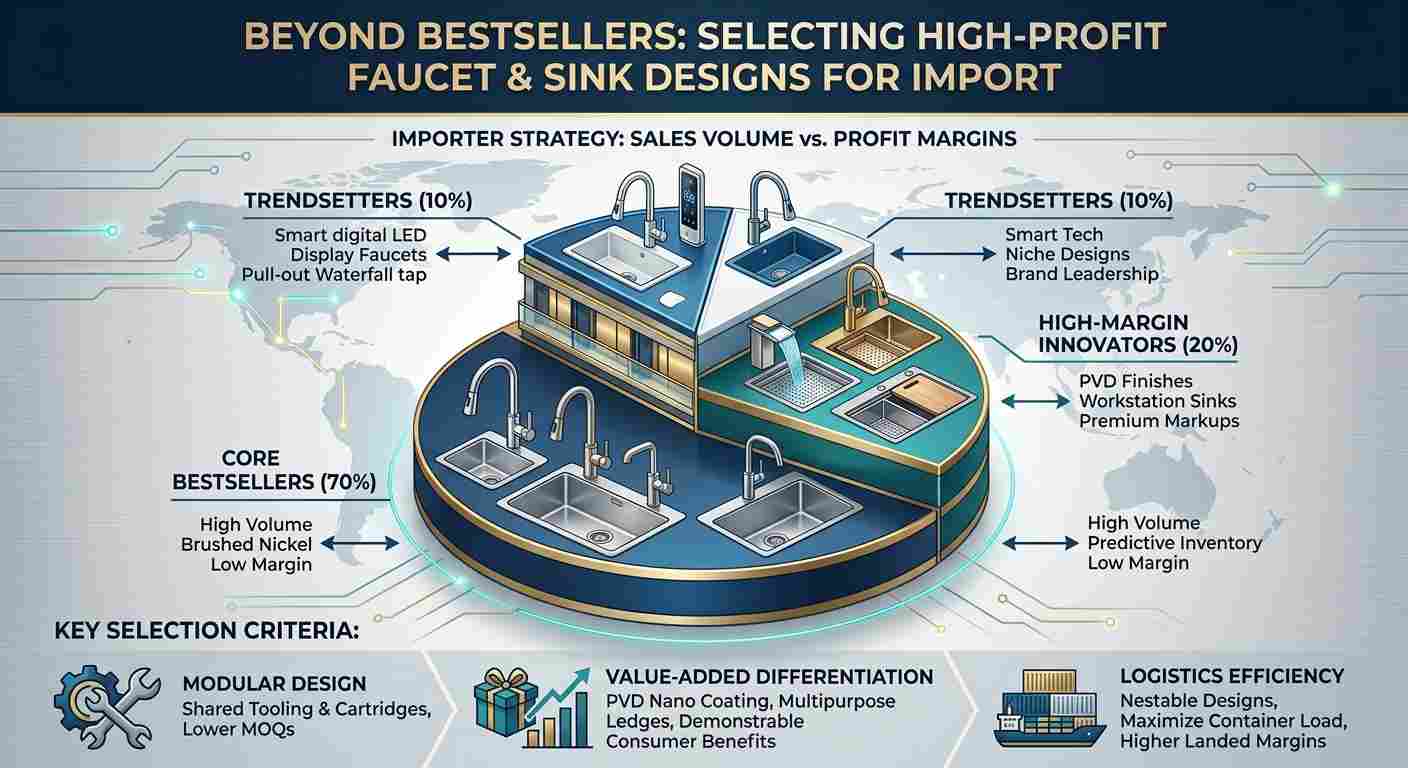
Product Strategy for Importers in a Slower Global MarketGlobal trade is entering a more cautious phase. While the global economy continues to grow, international trade is facing greater uncertainty from changing trade policies, geopolitical risks, transportation costs and slower demand in some markets.The World Trade Organization expects global merchandise trade growth to slow significantly in 2026 compared with 2025. At the same time, businesses in many markets are becoming more cautious about inventory and purchasing decisions.For kitchen and bathroom product importers and distributors, this creates a clear challenge: customers are buying more carefully, inventory moves more slowly, and price competition is becoming stronger.In this environment, simply adding more products or lowering prices may not be the best strategy. Importers need to rethink their product portfolio based on local market demand.1. Move From “More Products” to “Better Products”When demand slows, carrying too many similar products can increase inventory pressure.Instead of offering dozens of similar kitchen sinks, faucets or shower sets, importers can divide their portfolio into three levels:Core products – stable sellers with consistent demandValue products – price-sensitive products designed for competitive marketsDifferentiated products – products with unique designs, functions or finishes that provide better marginsFor example, a kitchen sink distributor may keep several proven stainless steel sink models as core products while reducing slow-moving variations. At the same time, the distributor can introduce one or two differentiated finishes, such as volcanic texture, PVD colors or other premium surface treatments.The goal is not to increase the number of SKUs. The goal is to increase the productivity of each SKU.2. Build the Product Portfolio Around Local Market DemandDifferent markets can behave very differently during the same economic cycle.A product that sells well in Western Europe may not have the same potential in Africa, Southeast Asia or the Middle East.Importers should therefore review their product mix based on local factors such as:Consumer purchasing powerNew housing and renovation activityLocal design preferencesRetail price levelsInstallation standardsDistributor and contractor demandCompetition from local and imported brandsFor example, a price-sensitive market may require practical stainless steel kitchen sinks and affordable faucets, while a more mature renovation market may have stronger demand for premium finishes, minimalist designs and water-saving products.Product selection should follow the market, not the supplier's catalog.3. Focus on Products With Multiple Market ApplicationsDuring slower market conditions, products with broader applications can help reduce inventory risk.For kitchen and bathroom categories, importers can prioritize products that can serve different customer groups or sales channels.For example:Kitchen sinksStandard residential projectsKitchen renovationApartment developmentsHospitality projectsKitchen faucetsResidential kitchensRental propertiesRenovation projectsMid-range housing developmentsShower systems and bathroom faucetsResidential constructionHotel projectsApartment projectsBathroom renovationA product that can be sold through multiple channels gives distributors more flexibility when one segment slows down.4. Create a “Good-Better-Best” Product StructurePrice competition does not always mean that every product needs to become cheaper.A better approach is to create clear price levels.For example:Good:Functional products with competitive pricing for highly price-sensitive customers.Better:Products with improved design, materials, finishes or functionality for mainstream buyers.Best:Premium products designed for customers who value aesthetics, durability, technology and differentiation.This structure allows distributors to serve different customer budgets without competing only on the lowest price.It also gives sales teams more options when negotiating with customers.5. Reduce Inventory Risk With Smaller and More Flexible OrdersWhen product turnover slows, inventory becomes one of the biggest concerns for importers.Instead of placing large orders across a wide range of products, distributors can consider:Lower MOQ where possibleMore frequent replenishmentSmaller initial orders for new productsTesting new SKUs before large-scale purchasingConcentrating inventory on proven productsThis approach allows importers to respond more quickly when market demand changes.For suppliers, flexible production and customized packaging can also become important advantages because distributors may prefer to test a product before committing to a large quantity.6. Don't Compete on Price AloneWhen the market becomes highly competitive, reducing prices is usually the easiest response—and often the most dangerous one.If every supplier continues lowering prices, profit margins will eventually disappear.Instead, importers and distributors should look for other ways to create value:Better product designMore reliable qualityFaster deliveryFlexible MOQBetter packagingProduct customizationStable supplyStrong after-sales supportExclusive or differentiated productsFor example, a distributor selling a standard kitchen faucet may struggle to compete if ten other companies offer almost identical products.However, a distributor with differentiated designs, better packaging, reliable quality and a clear product positioning has more opportunities to protect its margin.7. Use a Smaller Core Portfolio and Test New Products CarefullyA practical strategy for today's market is:70% Core Products + 20% Growth Products + 10% Experimental ProductsThe exact ratio can vary by market, but the principle is simple.The majority of inventory should come from proven products.A smaller portion can be allocated to products with strong growth potential, such as new sink finishes, modern faucet designs or upgraded shower systems.A limited budget can then be used to test new concepts without creating excessive inventory risk.This creates a balance between stability and innovation.Conclusion: Adapt the Portfolio Before the Market Forces You ToA slower global trade environment does not mean that opportunities have disappeared.It means that importers and distributors need to become more selective.Instead of asking:“How many products can we sell?”the better question is:“Which products are most relevant to our local market, and which products can generate sustainable turnover and margin?”For kitchen and bathroom distributors, the winning strategy may not be a larger catalog. It may be a more focused product portfolio, stronger market positioning, flexible inventory management and carefully selected differentiated products.In a changing market, product strategy should evolve with customer demand.The companies that understand their local market and adjust their product mix early will be better positioned to compete when the next growth cycle begins.Looking for a flexible kitchen and bathroom product supplier?We work with importers, distributors and project buyers to provide kitchen sinks, faucets, shower systems and bathroom products with flexible MOQ, customized packaging and OEM/ODM support.
2026-08-28
Read More
Leave a Message
Hello, please leave your name and email here before chat online so that we won't miss your message and contact you smoothly.

86 18629603520

francinesue999@gmail.com

Facebook

Youtube

Instagram

Wechat